

Why Do I Feel So Much Regret After Acting Impulsively?
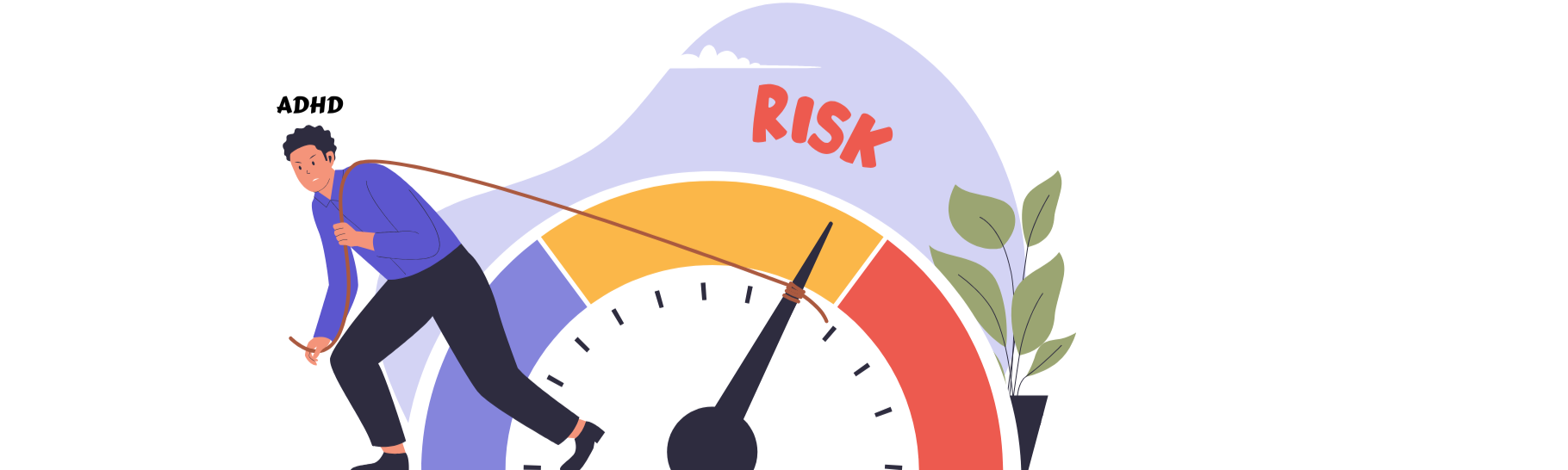
Living with an ADHD brain often means that your nervous system operates at a different speed than the world around you. Sometimes, this shows up as impulsive reactions: a sudden purchase, a comment spoken without thinking, or a quick decision to quit a project.
Almost immediately, the "regret cycle" kicks in. You might feel a wave of shame, frustration, or the heavy weight of "I should have known better." This cycle can be incredibly isolating, making you feel as though your reactions are a personal failure.
It is important to remember: these reactions are not a reflection of your character or a lack of intelligence. They are a sign that your brain’s "stop" signal—what we often call executive function—didn't have the space it needed to step in before the action occurred.
Why the ADHD Brain Gets Caught in the Cycle
The ADHD brain is often seeking stimulation or immediate relief from tension. When you act impulsively, it can be an attempt to regulate an overwhelmed nervous system in real time.
Once the action is done, the dopamine rush fades, and the reality of the situation settles in. Because our culture often labels these actions as "laziness" or "lack of discipline," many adults with ADHD internalize that criticism.
This shame makes the regret feel much heavier than it needs to be, and paradoxically, that shame can lead to more stress, which makes future impulsive decisions even more likely.
Compassionate Strategies to Pause and Pivot
Breaking the cycle isn’t about being "perfect" or never making a mistake again. It is about creating a little bit of space between the impulse and the action.
The "Five-Minute Wait" Rule: If you feel the urge to send a text, buy an item, or make a sudden life change, commit to waiting just five minutes. Use a timer. Often, the intensity of that initial urgency subsides once the timer goes off.
Identify Your "High-Risk" Times: Many people find they are more impulsive when they are tired, hungry, or over-stimulated. Notice when your brain is most likely to act before it thinks. If you know you are prone to impulsive online shopping when you're tired, try to avoid that environment during your "low energy" hours.
Practice "Neutral" Language: When you do act impulsively, try to shift your self-talk from "I’m so stupid" to "That was an impulsive moment. What did my brain need in that moment?" This moves you from shame to curiosity, which helps you learn for next time.
Sensory Grounding: When you feel that "itch" to act, ground yourself physically. Feel your feet on the floor, take a deep breath, or hold a cold object. This can help pull your nervous system out of the "go" mode and back into the present moment.
Frequently Asked Questions
Why does this cycle feel so physically painful?
The guilt following an impulsive moment can trigger a physical stress response. Because adults with ADHD often deal with "Rejection Sensitive Dysphoria" (a commonly used term, though not a formal diagnosis) or deep-seated shame from years of criticism, the brain can perceive these mistakes as major threats, which leads to that intense, sinking feeling in your chest or stomach.
Does this mean I’ll never be impulsive again?
Not necessarily. The goal isn't to stop being yourself; it’s to learn how to work with your brain. As you become more aware of your triggers and kinder to yourself, the intensity of the "regret" usually lessens, and you find it easier to recover quickly when mistakes happen.
Is my impulsivity just a lack of self-control?
No. ADHD-related impulsivity is linked to differences in executive function. It is not a moral failing.
How does therapy help with this?
Therapy provides a safe, neutral space to untangle the "shame stories" you’ve built around these moments. Instead of beating yourself up, we work on identifying your nervous system's patterns and building a toolkit that feels supportive rather than restrictive.
Support for Adults With ADHD
I'm Shadan Mosavat, a Registered Clinical Counsellor (RCC) and Canadian Certified Counsellor (CCC) offering virtual counselling across British Columbia. If the impulse-regret cycle feels familiar, learn more about my adult ADHD counselling or Book a consultation.
