

Could ADHD be part of your story?
Many adults with ADHD grow up feeling like they are somehow “too much” and “not enough” at the same time.
Too emotional.
Too distracted.
Too intense.
Too overwhelmed.
Yet constantly carrying the painful feeling that they should be doing better than they are.
Not because they lack intelligence or potential
but because they have spent years trying to navigate life with a nervous system they did not yet understand.

ADHD vs. BPD: Understanding the Overlap and the Difference
ADHD and BPD can look alike but differ in cause. See the key differences, overlap, and therapy approach — from an RCC, CCC in Vancouver, BC.

ADHD and Boundaries: Why Saying No Feels So Hard (and How to Do It Anyway)
Struggling to say no with ADHD? Learn why boundaries feel so hard and explore compassionate strategies from a Vancouver-based RCC for adults with ADHD.

The Grief of a Late ADHD Diagnosis: Why Relief and Loss Can Coexist
A late ADHD diagnosis can bring grief as well as relief. Learn why this happens and how ADHD counselling in Vancouver, BC can support you through it.
ADHD Emotional Regulation Strategies: How to Soothe Your Nervous System and Stay Grounded
Feel overwhelmed by big emotions? Discover practical ADHD emotional regulation strategies to self-soothe, stay grounded, and regain control. Learn more today.

Why You’re Always Late, Early, or Frozen: Understanding ADHD Time Blindness
Tired of the stress of time management? Discover why time blindness is a common, manageable part of adult ADHD and learn compassionate ways to navigate your day.

Why One Small Mistake Can Ruin Your Whole Day: Managing ADHD Doom Spirals
Feeling like one minor mistake ruins your day? Learn why ADHD doom spirals happen and discover compassionate, practical strategies to stop the cycle and find calm.

Why Your Emotions Feel So Intense: Understanding ADHD Emotional Dysregulation
Understand adult ADHD emotional dysregulation and why your feelings are so intense. Discover compassionate strategies to find emotional balance and control today.

Why ADHD Feels Like “Too Much” and “Not Enough” at the Same Time
Do you ever feel like you are failing while trying your absolute hardest? Learn why the ADHD brain struggles with this paradox and how to find self-compassion.

Why Do I Feel So Much Regret After Acting Impulsively?
Do you struggle with instant guilt after acting impulsively? Understand the ADHD regret cycle and find compassionate, practical ways to break the pattern. Understanding the "Impulse-Regret" Loop
What Does ADHD Burnout Feel Like? A Gentle Path to Recovery
Feeling exhausted by adult ADHD? Learn compassionate, practical strategies to recognize ADHD burnout, gently recover your energy, and find balance again. Overcoming ADHD Burnout: A Gentle Path to Recovering Your Energy.

Why Do You Always Say Yes? ADHD and People-Pleasing
Do you struggle to say no for fear of letting people down? Unpack why people-pleasing is common in adult ADHD and learn compassionate ways to protect your energy

Why Living With ADHD Feels So Inconsistent
Do you have high energy one day and zero the next? Learn why ADHD inconsistency is real, why it’s not a character flaw, and how to find balance without shame.

Executive Dysfunction vs. Laziness: You Are Not Lazy
Struggling to start tasks? You aren't lazy; you likely have executive dysfunction. Learn to understand your ADHD brain and find compassionate ways to move forward.

Why Your ADHD Brain Takes Criticism So Personally (And What to Do)
Exploring RSD, why it hurts so much, and how to separate feelings from facts

Why Is Impulsive Spending So Hard to Stop with ADHD? Practical Strategies to Regain Financial Control
Stop regretting impulsive purchases. Learn compassionate, practical strategies for managing ADHD impulsivity in finances, reducing shame, and regaining control of your money.
Why Do My ADHD Routines Always Fail, And How Can I Build One That Works?
Traditional schedules fail adults with ADHD. Discover compassionate, practical strategies for creating a flexible daily routine that supports your executive function and reduces decision fatigue.

Why Your Relationships Feel Challenging: Navigating ADHD, Conflict, and Intimacy with Compassion
Is ADHD affecting your relationship? Learn how executive function and emotional dysregulation impact intimacy, household tasks, and communication, plus strategies for a stronger partnership.

Navigating Identity: Who Are You Without Your ADHD Diagnosis?
Many adults with ADHD feel like a "fraud" or struggle with self-acceptance. Learn why the ADHD diagnosis shakes your identity and how to build a stronger sense of self.

What is ADHD Masking?
Are you exhausted from pretending to be 'normal'? Learn about ADHD masking, its emotional impact, and practical strategies for authentic living and de-masking.
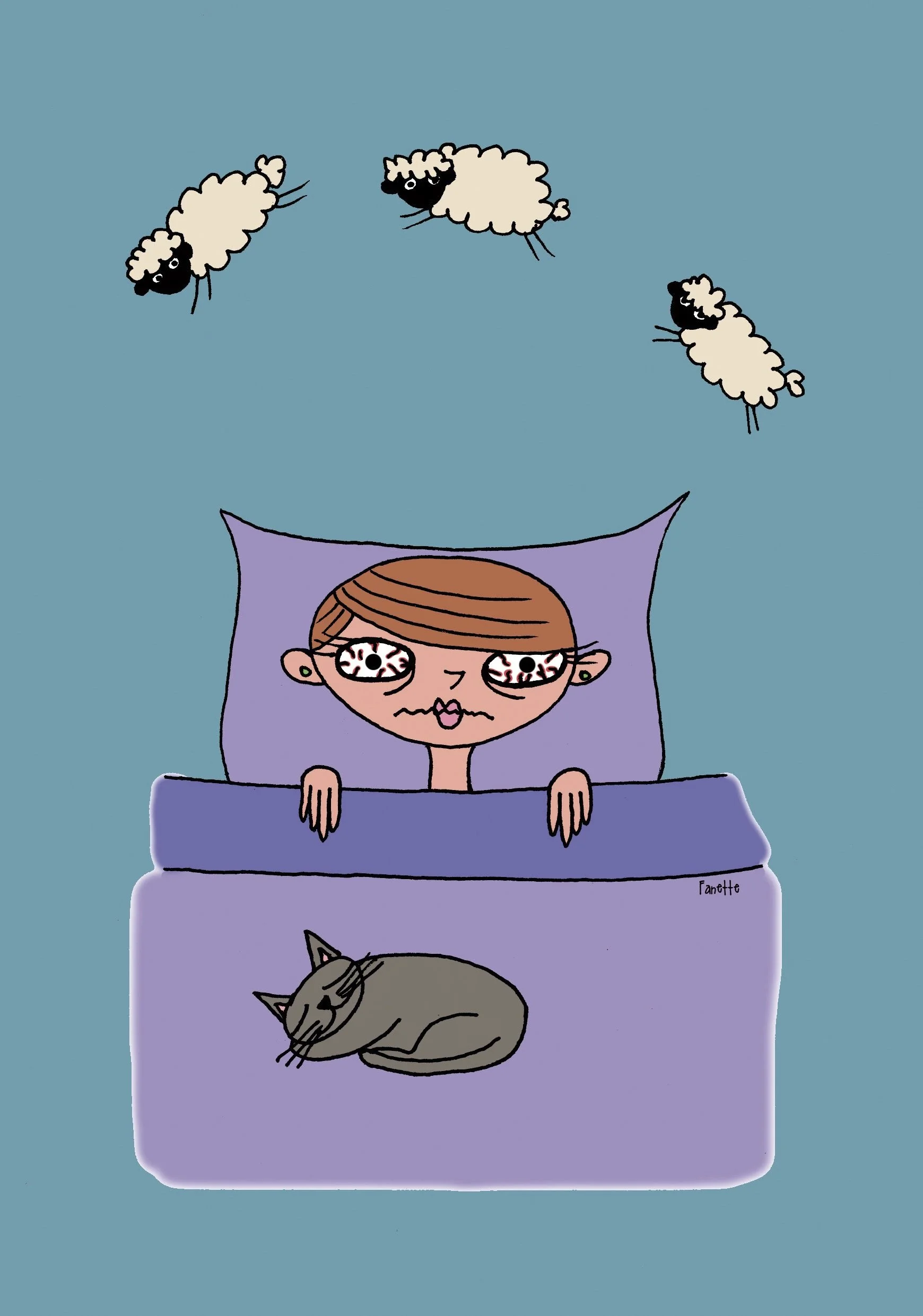
ADHD and Sleep: Why Your Brilliant Brain Won't Shut Off (And What to Do About It)
ADHD often affects sleep as much as daytime focus. Many people with ADHD experience insomnia, restless sleep, delayed sleep timing, and chronic exhaustion because the same self-regulation systems involved in attention and emotional control also affect the ability to fall asleep and stay asleep.