

What is ADHD?
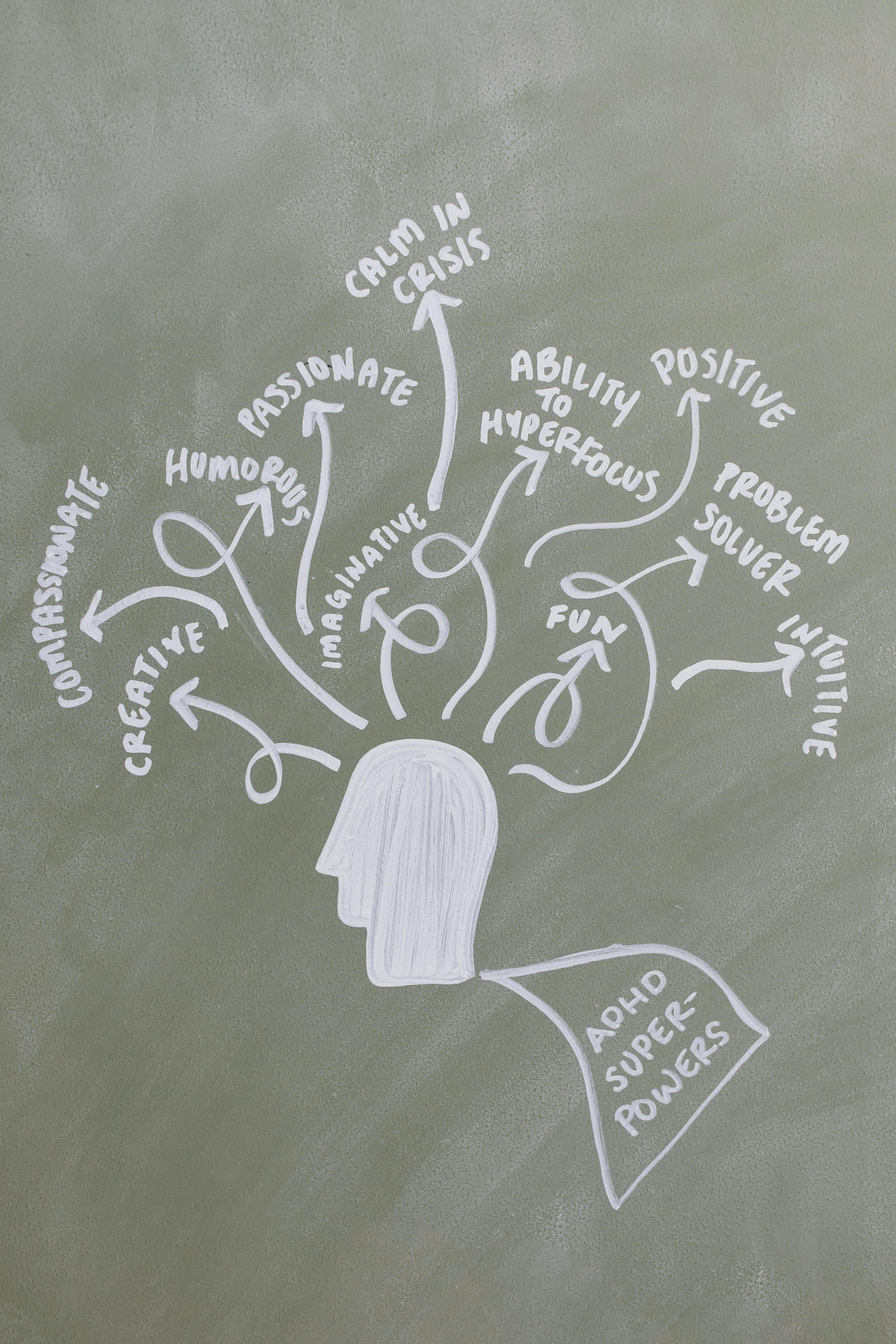
Author: Shadan Mosavat
What does ADHD look like in adults?
In adulthood, ADHD often becomes less about “running around” and more about:
internal restlessness
mental overload
difficulty organizing life admin
relationship strain
burnout from compensating and masking
Many adults discover ADHD later because they were high-achieving, quiet, anxious, or simply very good at pushing through until life demands outgrew their coping strategies.
If you are a parent and not sure if your kid need an ADHD assessment check this:
Should I Get My Child Tested for ADHD?
Common Questions about ADHD
What is ADHD?
ADHD is a neurodevelopmental condition that affects attention, impulsivity, activity level, and executive functioning. It begins in childhood and can continue into adulthood, impacting daily life and relationships.
Can someone be diagnosed as an adult?
Yes. Many people are diagnosed in adulthood, especially if symptoms were missed in childhood or masked.
Is ADHD only a focus problem?
No. ADHD often affects executive functioning and emotional regulation, not just attention. Many people struggle most with planning, follow-through, time management, and regulating intense emotions.
Do people outgrow ADHD?
Some symptoms can change with age, but many people continue to experience ADHD traits into adulthood. Even if hyperactivity decreases, executive functioning challenges often remain.
Is ADHD a disorder or a strength?
It can be both. ADHD is diagnosed because it can cause impairment and distress, but many ADHD traits can also be strengths when supported and understood.
If you’re struggling with ADHD and you want support that’s practical, non-shaming, and actually fits your brain, I’m here.
Book a consultationwe’ll build a plan that works in real life, not just on a perfect Monday.
