

Could ADHD be part of your story?
Many adults with ADHD grow up feeling like they are somehow “too much” and “not enough” at the same time.
Too emotional.
Too distracted.
Too intense.
Too overwhelmed.
Yet constantly carrying the painful feeling that they should be doing better than they are.
Not because they lack intelligence or potential
but because they have spent years trying to navigate life with a nervous system they did not yet understand.
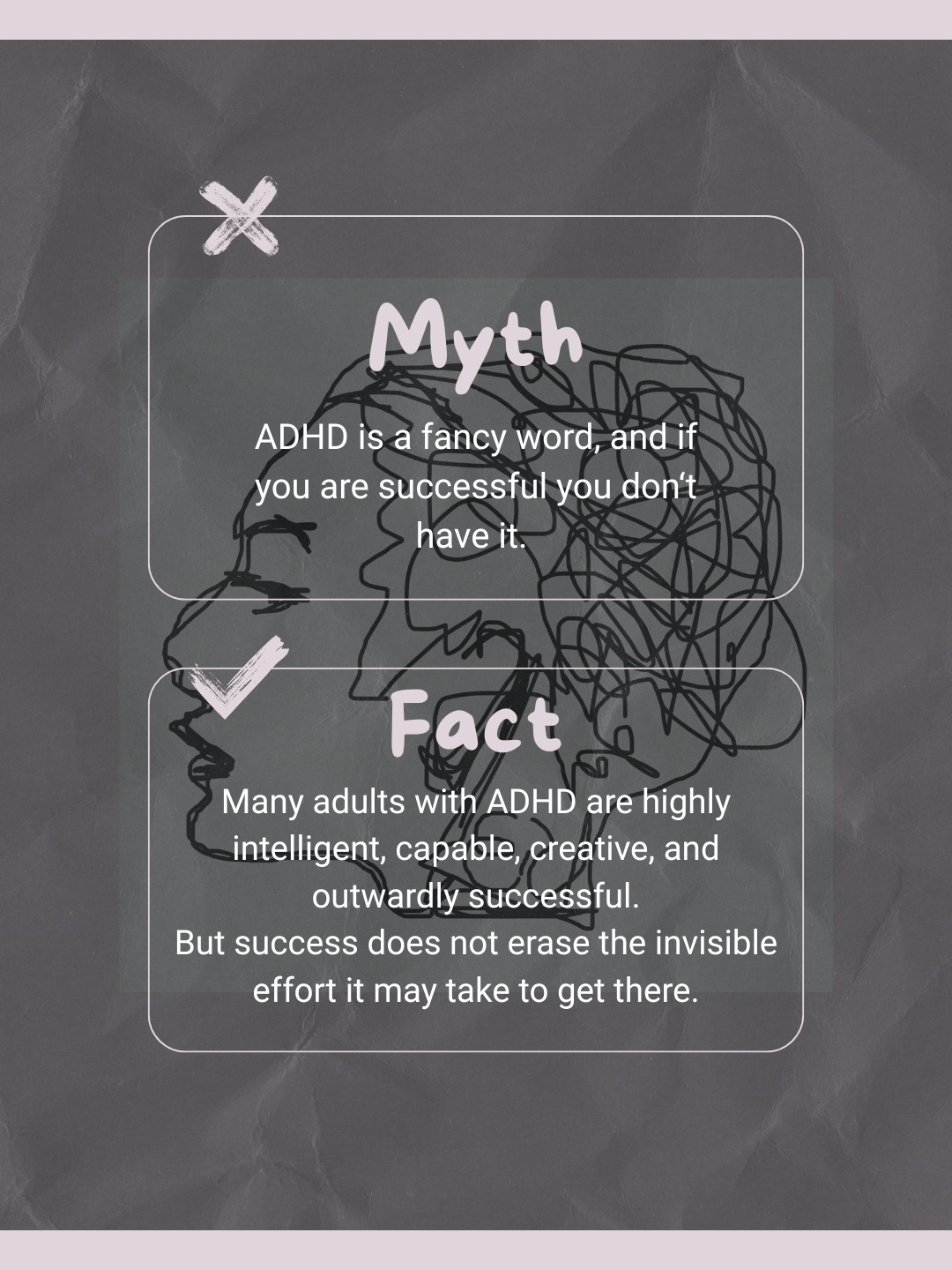
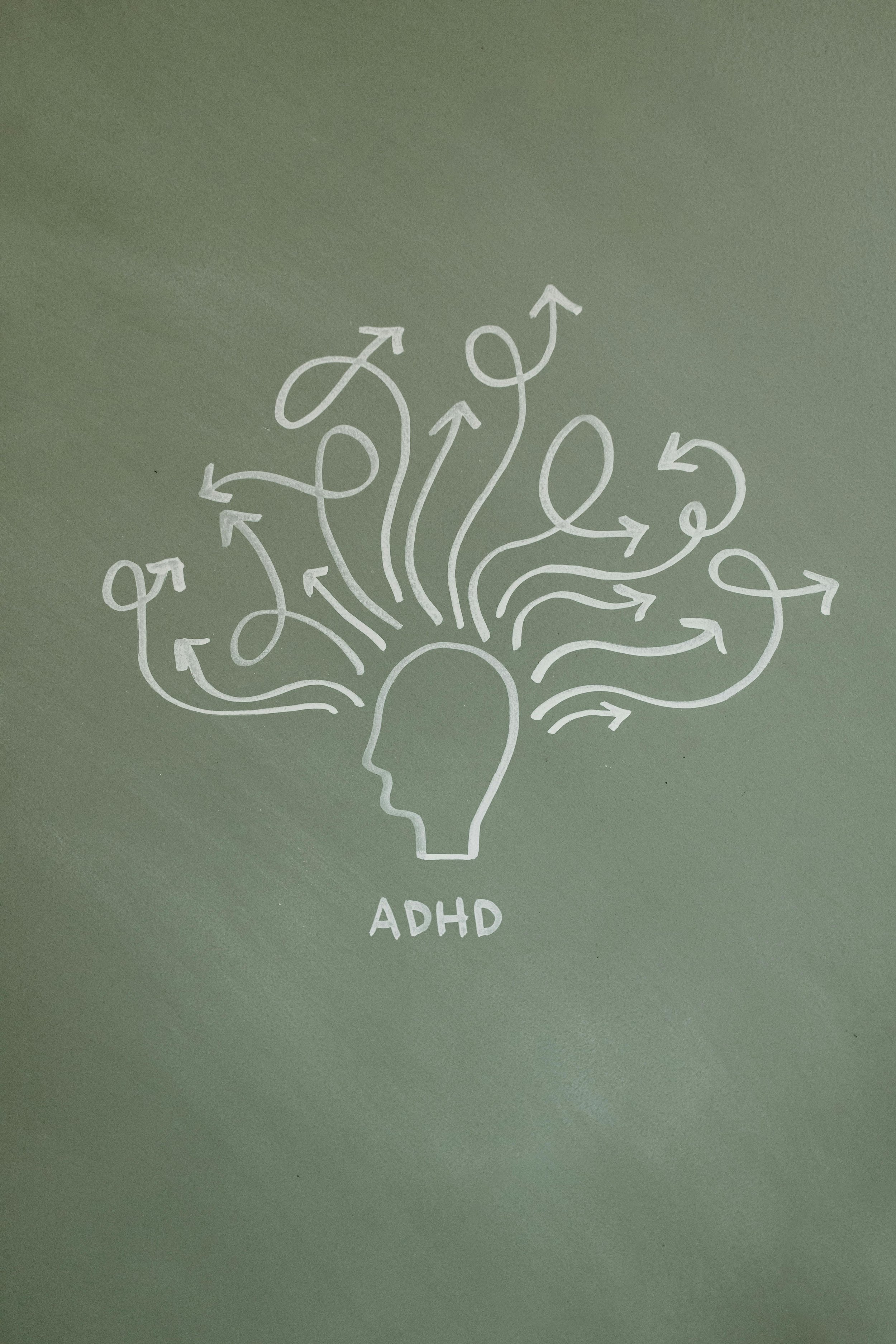
What is ADHD?
ADHD is a neurodevelopmental condition that affects attention, impulsivity, activity level, and executive functioning. This page explains the core symptoms, what diagnosis really means, and why ADHD isn’t about laziness—so you can move from confusion to clarity with practical support.

Is ADHD Genetic? How Biology and the Parent–Child Relationship Interact
ADHD is a highly genetic neurodevelopmental condition, but genetics do not mean destiny. While ADHD is not caused by parenting, early relationships play a powerful role in shaping how a sensitive nervous system develops and regulates. This article explores how biology, environment, and the parent–child relationship interact in ADHD and why safety, attuned caregiving, and repair matter for both children and adults with ADHD.