

Could ADHD be part of your story?
Many adults with ADHD grow up feeling like they are somehow “too much” and “not enough” at the same time.
Too emotional.
Too distracted.
Too intense.
Too overwhelmed.
Yet constantly carrying the painful feeling that they should be doing better than they are.
Not because they lack intelligence or potential
but because they have spent years trying to navigate life with a nervous system they did not yet understand.
Can Exercise Improve Executive Function in ADHD? A Practical Guide for Parents and Adults
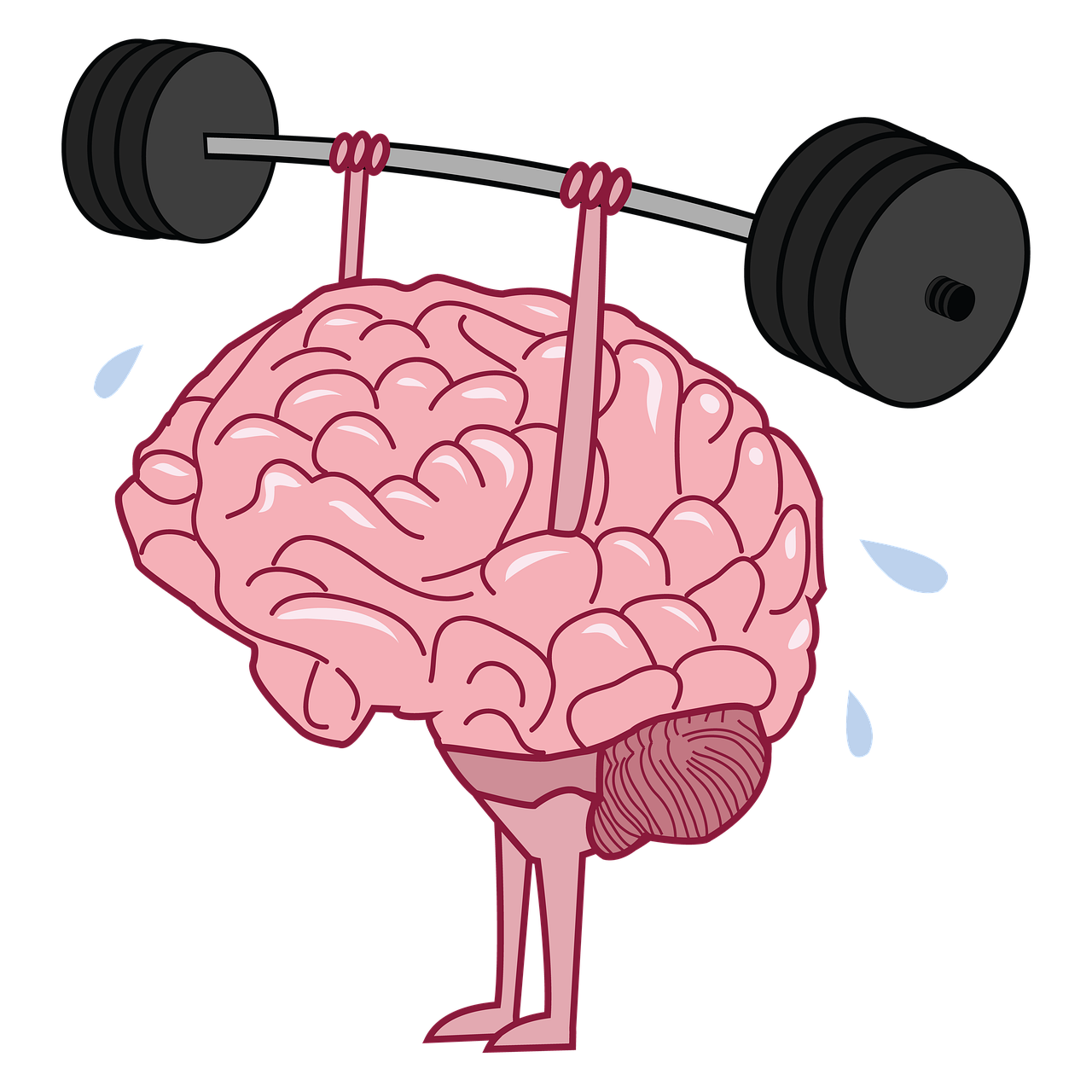
Research shows that moderate to high-intensity exercise can improve executive function in individuals with ADHD, particularly working memory, impulse control, and cognitive flexibility. Movement supports dopamine regulation and prefrontal brain function, making it a powerful tool for emotional regulation and focus in both children and adults.

How Does ADHD Affect Sex and Intimacy? Dopamine, Rejection Sensitivity, and Relationships
ADHD can significantly impact sexual intimacy through dopamine differences, emotional dysregulation, impulsivity, and rejection sensitive dysphoria (RSD). Adults with ADHD may experience hypersexuality, low desire, orgasm inconsistency, or intense fear of rejection that interferes with emotional closeness and relationship stability.

Emotion Regulation in ADHD: Why Big Feelings Happen (and How to Support Them)
Emotion regulation difficulties affect up to 70% of adults with ADHD. Linked to executive function differences, emotional dysregulation can impact relationships, mental health, and daily functioning. Discover the science behind ADHD and emotion regulation and practical ways to strengthen regulation capacity.
What is ADHD?
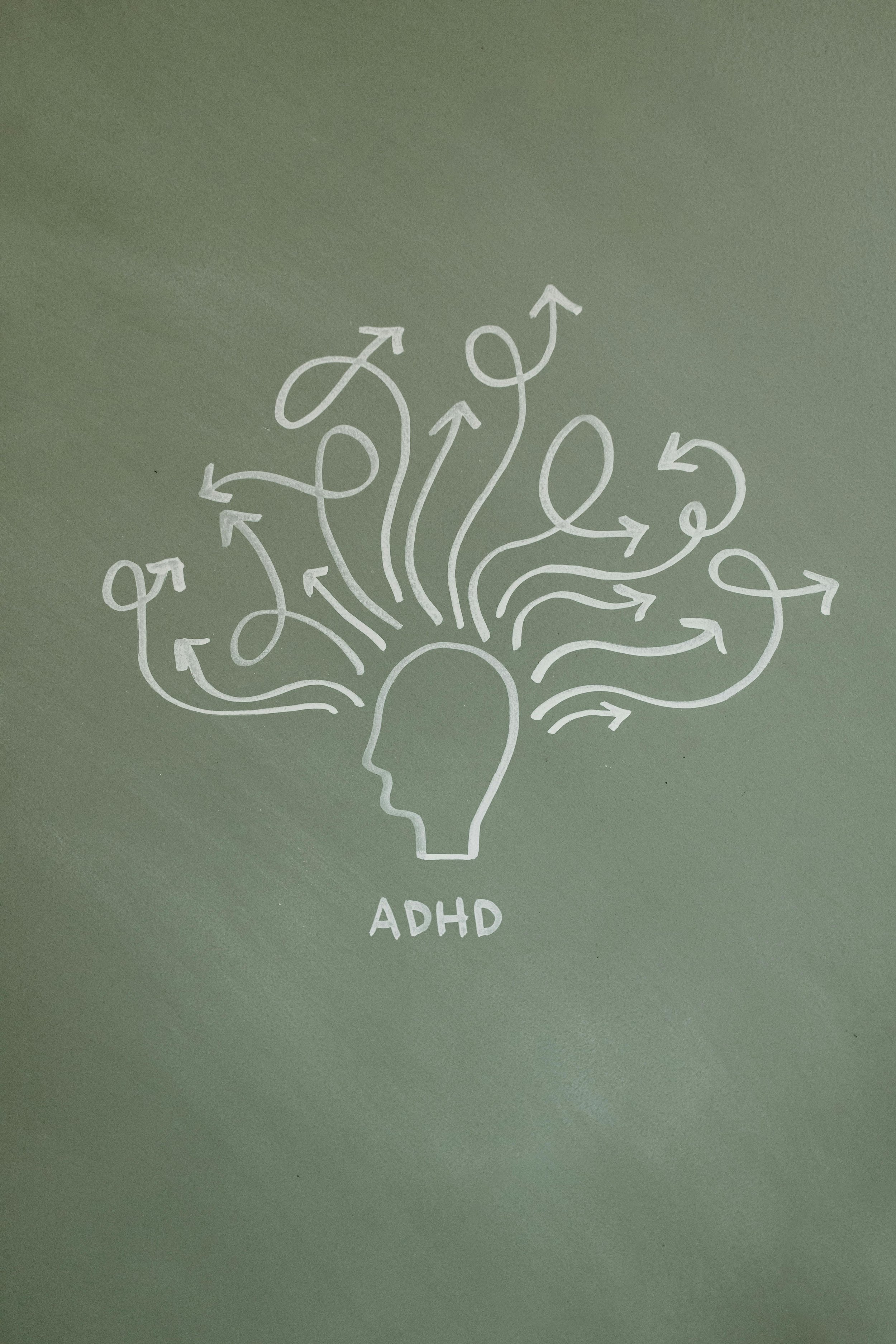
ADHD is a neurodevelopmental condition that affects attention, impulsivity, activity level, and executive functioning. This page explains the core symptoms, what diagnosis really means, and why ADHD isn’t about laziness—so you can move from confusion to clarity with practical support.
Should I Get My Child Tested for ADHD? What a Diagnosis Really Means
Receiving an ADHD diagnosis can feel overwhelming for parents—but diagnosis is not labeling. It’s naming. Naming what has already been happening so shame can stop and support can begin. This article explains why an ADHD diagnosis doesn’t change your child, how it reduces silent self-blame, and how early understanding helps parents, teachers, and children work together. With a compassionate, evidence-based lens, we explore ADHD as a unique brain style—challenging at times, but full of potential when supported correctly.

Why Is Office Work So Hard With ADHD? Practical Fixes That Actually Help
Working in an office can feel overwhelming for many adults with ADHD—not because of lack of ability, but because of communication challenges, sensory overload, and constant self-regulation. This article explores why traditional workplaces can feel so difficult and offers practical, realistic strategies to help adults with ADHD work more sustainably and confidently.

Does ADHD Increase the Risk of Early Death? What the Research Actually Show
ADHD affects more than attention; it can also increase the risk of early death and suicide. This article explores how impulsivity, mental health challenges, and limited access to treatment contribute to these outcomes, and explains how proper care and medication can significantly reduce these risks.

What Career Paths Work Best for Adults With ADHD?
ADHD can bring unique challenges to the workplace; but it also comes with powerful strengths. This article explores how traits like interest-based motivation, novelty seeking, and social sensitivity shape the career paths of adults with ADHD. Learn how to find work that fits your brain, supports your energy, and helps you thrive on your own terms

Is ADHD Genetic? How Biology and the Parent–Child Relationship Interact
ADHD is a highly genetic neurodevelopmental condition, but genetics do not mean destiny. While ADHD is not caused by parenting, early relationships play a powerful role in shaping how a sensitive nervous system develops and regulates. This article explores how biology, environment, and the parent–child relationship interact in ADHD and why safety, attuned caregiving, and repair matter for both children and adults with ADHD.